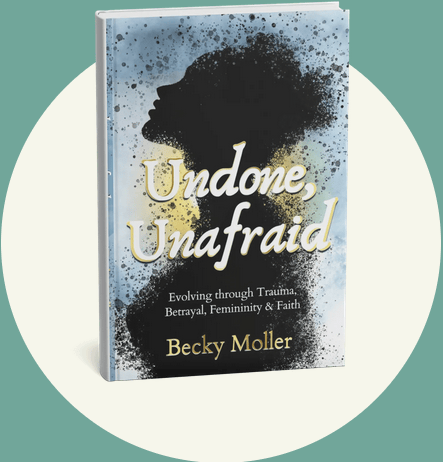
There are moments in life when we question our decisions, doubt our abilities, or feel disconnected from who we really are. Sometimes, these feelings develop after difficult relationships, personal disappointments, repeated criticism, or experiences that affect our confidence. Even when life appears normal from the outside, unresolved emotions can influence the way we think, communicate, and make everyday decisions.
Building confidence is not simply about thinking positively. It also involves understanding where negative thoughts come from and learning how to respond to them differently. This is where reading can become a helpful resource. The right books on healing can introduce practical ideas, relatable experiences, and new ways of looking at personal challenges. They can also encourage readers to slow down, reflect on their emotions, and develop a stronger connection with themselves.
How Emotional Experiences Influence the Way We See Ourselves
Our understanding of ourselves is shaped by different experiences throughout life. Family expectations, friendships, romantic relationships, workplace environments, and personal failures can all influence our confidence.
For example, someone who frequently receives criticism may begin questioning even their smallest decisions. Similarly, a person who has experienced repeated disappointment in relationships might find it difficult to trust their own judgment.
These reactions can gradually become everyday habits. You might avoid expressing an opinion, feel uncomfortable accepting compliments, or constantly compare your achievements with other people.
Recognizing these patterns is an important first step toward personal growth. Rather than blaming yourself for feeling uncertain, try understanding what experiences may have contributed to those feelings.
Reading about emotional development can help you identify these patterns and consider healthier ways to respond.
How Books on Healing Can Help You Rebuild Self-Confidence
Self-confidence does not mean believing that you will always make the right decisions. It means trusting yourself enough to handle challenges, learn from mistakes, and continue moving forward.
Books on healing can support this process by introducing readers to subjects such as self-acceptance, emotional boundaries, personal identity, and inner resilience.
Understanding the Connection Between Self-Worth and Everyday Decisions
Self-worth influences many small decisions that we make every day. It can affect how we communicate our needs, respond to criticism, and decide what opportunities to pursue.
Consider someone who regularly agrees with others even when they feel uncomfortable. They may worry that saying no will disappoint people or damage their relationships. Over time, this behavior can create frustration and emotional exhaustion.
Reading about self-worth and boundaries can help such readers understand that respecting their own needs is not selfish.
For example, they can begin with small changes:
- Expressing an honest opinion during conversations instead of automatically agreeing.
- Taking time to make decisions rather than allowing others to create unnecessary pressure.
- Recognizing personal achievements without comparing them with someone else’s progress.
- Understanding that making mistakes does not reduce their value as a person.
These changes may seem simple, but practicing them consistently can support a healthier relationship with yourself.
Why Self Healing Books Are Valuable for Personal Reflection
Not every personal struggle requires the same approach. Some readers want to understand their emotional reactions, while others want to develop healthier relationships or move beyond negative thinking.
This is why choosing the right reading material matters.
Self healing books often explore personal experiences through psychology-inspired concepts, reflective exercises, real-life examples, and practical suggestions. They give readers an opportunity to examine their thoughts without feeling pressured to change everything immediately.
Turning Reading Lessons Into Real-Life Improvements
Reading becomes more meaningful when you connect the information with your own experiences.
Imagine reading a chapter about negative self-talk. You realize that whenever something goes wrong, your first reaction is to blame yourself. Instead of simply moving to the next chapter, you can pause and examine that reaction.
Ask yourself:
- What usually triggers this thought?
- Am I judging myself more harshly than I would judge someone else?
- Is there another way to understand this situation?
- What would a more supportive response sound like?
For instance, instead of thinking, “I always make mistakes,” you could practice saying, “I made a mistake in this situation, but I can understand what happened and improve next time.”
This does not mean ignoring problems. It means approaching them without unnecessary self-criticism.
Pro Tip: Keep a small notebook alongside your reading material. Write down one sentence that makes you think differently about yourself. At the end of each week, revisit those notes and identify which ideas have influenced your everyday decisions.
Choosing the Right Healing Book for Your Current Life Situation
A book that helps one person may not address another person’s needs. Before selecting your next read, consider what you genuinely want to understand or improve.
Here are some useful reading directions based on different personal experiences:
1. For people struggling with self-doubt: Choose books that explore self-esteem, confidence, self-acceptance, and negative thinking. These subjects can help you understand why you question your abilities and how to develop a more balanced perspective.
2. For people recovering from difficult relationships: Look for books discussing emotional boundaries, relationship patterns, trust, and rebuilding personal identity. These topics can encourage reflection on what healthy connections should look like.
3. For people feeling disconnected from themselves: Consider reading about mindfulness, personal values, emotional awareness, and self-discovery. Such books can help you identify what matters to you beyond external expectations.
4. For people experiencing major life changes: Books about resilience, adaptability, and personal development may offer useful perspectives when navigating career changes, changing relationships, or new responsibilities.
Before purchasing a book, check its subject, writing style, author background, and practical approach. Choose something that feels relevant rather than selecting a title only because it is trending.
Creating a Consistent Reading Routine for Inner Growth
You do not need an elaborate schedule to make reading part of your personal development journey. A simple routine can help you remain consistent without turning it into another responsibility.
Start by choosing a comfortable time when you can read without distractions. This could be during your morning routine, before sleeping, or during a quiet break in the afternoon.
Try combining reading with other reflective activities, such as journaling, meditation, or spending time alone.
For example, after reading about emotional boundaries, think about one relationship where you could communicate more clearly. After reading about self-acceptance, identify one personal quality that you have been overlooking.
Avoid measuring progress by the number of pages you complete. Focus instead on how well you understand and apply the lessons.
Most importantly, give yourself permission to take breaks. Some topics can bring up difficult memories or emotions. You can return to the book when you feel comfortable, and seek professional support when personal difficulties become overwhelming.
Conclusion
Building a stronger sense of self takes more than temporary motivation. It requires understanding your experiences, recognizing unhelpful patterns, and learning to treat yourself with patience and respect. The right books on healing can provide useful perspectives, while Self healing books can encourage deeper reflection and practical changes in everyday life.
Start with a subject that reflects your current challenges instead of trying to work on everything at once. Read slowly, question what you learn, and apply the lessons that genuinely support your growth. Remember, developing self-confidence is not about becoming a completely different person. It is about understanding yourself better and learning to value the person you already are.

