Safety Standards in Biochemical Sourcing
When sourcing chemical compounds for specialized laboratory applications, handling safety and material consistency take top priority. High-grade synthetic materials must meet tight production standards to prevent degradation, dangerous residual solvents, or unexpected batch anomalies.
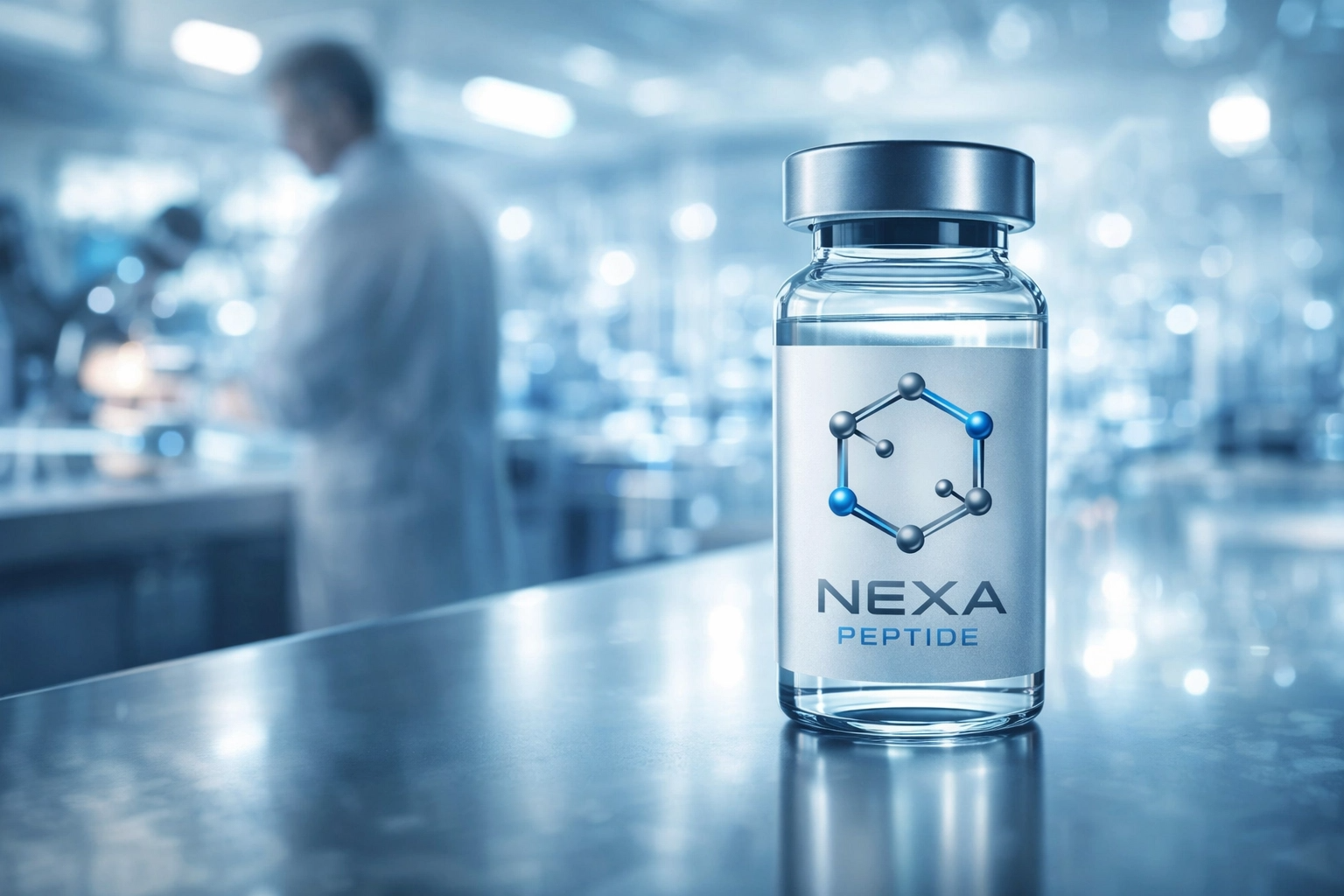
Researchers frequently inquire about the overall safety and purity profile of compounds distributed by Nexa Peptides to ensure their experiments operate under controlled, contamination-free conditions. Working with certified, high-purity compounds ensures that experimental models yield clear data without interference from harmful additives or improper synthesis byproducts.
Understanding Synthesis Hazards and Impurity Control
Understanding how chemical compounds are synthesized helps explain why quality control protocols are essential for safety. Improperly controlled peptide synthesis can leave behind unwanted chemical fragments or reagents.
- Truncated Sequences: Incomplete chemical reactions during chain synthesis can create shorter, non-functional amino acid chains.
- Residual Reagents: Traces of solvents or coupling agents used during production can cause toxic cellular reactions if not thoroughly removed.
- Bacterial Endotoxins: Poor cleanroom hygiene during synthesis or packaging can introduce contaminants that ruin sensitive assays.
Maintaining rigid cleanroom environments and enforcing comprehensive wash cycles minimizes these risks, producing compounds suitable for high-precision analytical work.
Protective Packaging and Storage Guidelines
Maintaining the structural integrity of complex molecules requires strict adherence to post-synthesis storage standards. Even the highest-purity compounds can degrade quickly if exposed to improper temperatures, moisture, or light during shipping.
Critical Steps for Preserving Sample Quality
- Lyophilization (Freeze-Drying): Removes moisture from purified compounds, turning them into stable powders with longer shelf lives.
- Sealed Inert Vials: Vacuum-sealed glass vials protected by flip-off caps prevent atmospheric moisture and oxygen exposure.
- Temperature Control: Shipping materials in insulated containers ensures stability during transit.
Taking these precautions preserves molecular structures, guaranteeing that compounds perform as expected upon reconstitution in the laboratory environment.
Summary of Safety and Handling Guidelines
Choosing compounds engineered to strict quality standards is essential for maintaining a safe, controlled laboratory setting. Sourcing from transparent suppliers allows scientific teams to run experiments with complete confidence in their safety and reproducibility.