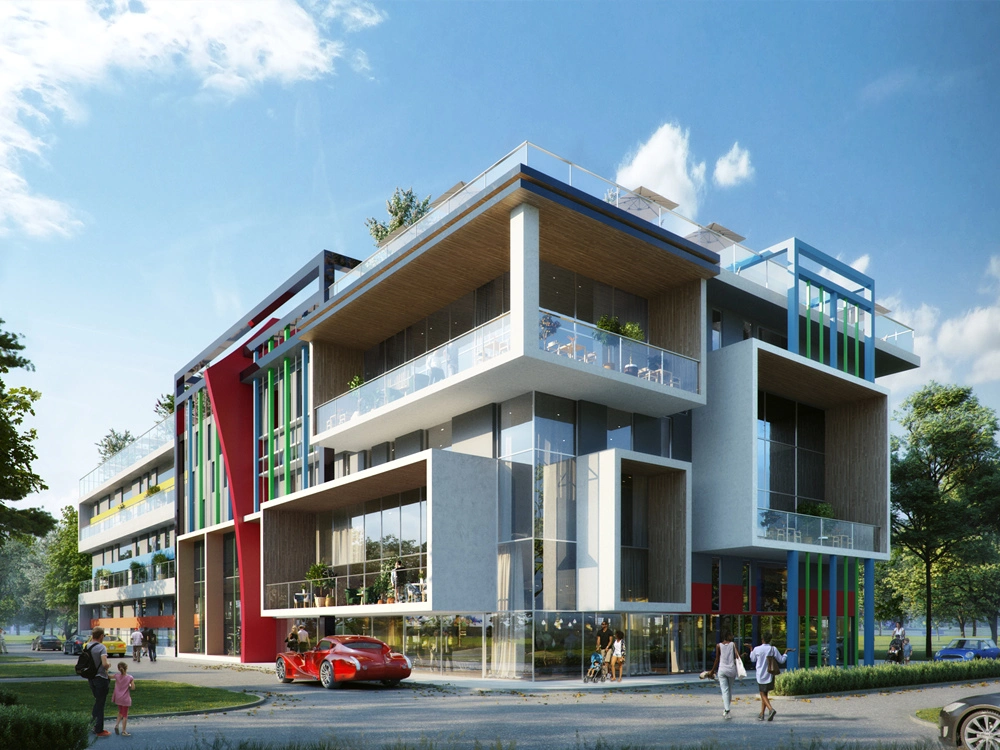
Competitions can feel exciting and exhausting at once. Teams are asked to develop a complete idea, produce drawings and images, and meet a firm deadline, often alongside regular work. Without planning, the last week turns into a scramble. Careful scheduling and budgeting can make the experience far more manageable. This article offers practical guidance for teams preparing entries to international architecture competitions, including how to allocate time, decide what to outsource, and plan visual production. Whether you hire a 3D exterior rendering service or produce images yourselves, structure will protect both your design and your sanity. Good planning is the difference between a calm finish and an all-night rush.
Read the Brief and Rules First
Before anything else, study the competition brief and conditions. Note the submission format, number of boards or pages, file size limits, language, and anonymity requirements.
Check eligibility, fees, and important dates, including question deadlines. Missing a technical requirement can disqualify an otherwise strong entry.
Create a checklist and share it with the whole team.
Ask early about language requirements, since some competitions require text in a specific language or restrict the use of names and logos to maintain anonymity.
Hold an early kickoff meeting to agree on the main idea, responsibilities, and a draft timeline. Alignment at the start prevents duplicated work and conflicting directions later.
Build a Realistic Schedule for International Architecture Competitions
Work backward from the deadline. Allocate time for concept development, design refinement, visual production, layout, review, and submission.
Leave a buffer of at least a few days. Uploads can fail, files can be too large, and time zones can be confusing.
Lock the design early enough to allow for rendering. Late changes are the most common reason for stress and rushed images.
Hold a mid-point review to check whether the project is on track. If it is not, simplify the scope rather than letting quality slip across the board.
Build in time to sleep. Teams that plan realistic working hours often produce better entries than those who rely on last-minute all-nighters, because tired people make avoidable mistakes.
Plan Your Budget
Costs may include registration fees, model building, printing, software, and outsourced services. Decide in advance what you can spend and where it will matter most.
Visualization often deserves priority because it shapes first impressions. If you outsource, request a written scope and agree on revisions and delivery dates.
Aimir CG publishes industry news and trends, which is a useful place to read about the field of international architecture competitions while planning your own approach.
Consider the cost of travel, models, or site visits if they are relevant. Not every competition needs physical models, so clarify what is required and where the budget will have the biggest impact.
Track expenses in a simple shared sheet. Seeing costs as they accumulate prevents surprises and helps the team decide where to invest extra effort in the final days.
Stay Organized Under Pressure
Assign clear roles, hold short regular check-ins, and keep one master version of each file. Use a shared folder with clear naming so no one works on outdated material.
Looking ahead, collaborative tools and cloud platforms will continue to make distributed teamwork easier, but discipline remains the best protection against last minute problems.
Prepare a submission checklist covering file names, sizes, formats, and any required forms. Reviewing it with a second person can catch mistakes that tired eyes might miss.
Afterward, hold a short review of what went well and what to change next time. Each competition is a learning exercise, and notes from this one will make the next entry smoother.
Conclusion
Planning turns a stressful competition into a manageable project. Read the rules, schedule carefully, and budget for the visuals that matter most. With preparation, your entry to international architecture competitions can reflect your best thinking, supported by images from a reliable 3D exterior rendering service.